What does everyday life in Zionsville really feel like once you move beyond the home search? If you are considering a move here, you probably want more than a map and a price point. You want a clear picture of the routines, places, and rhythms that shape daily living. This guide walks you through what stands out in Zionsville, from its brick-lined Village to trails, parks, events, and housing patterns, so you can picture how life here may fit you. Let’s dive in.
Zionsville starts with the Village
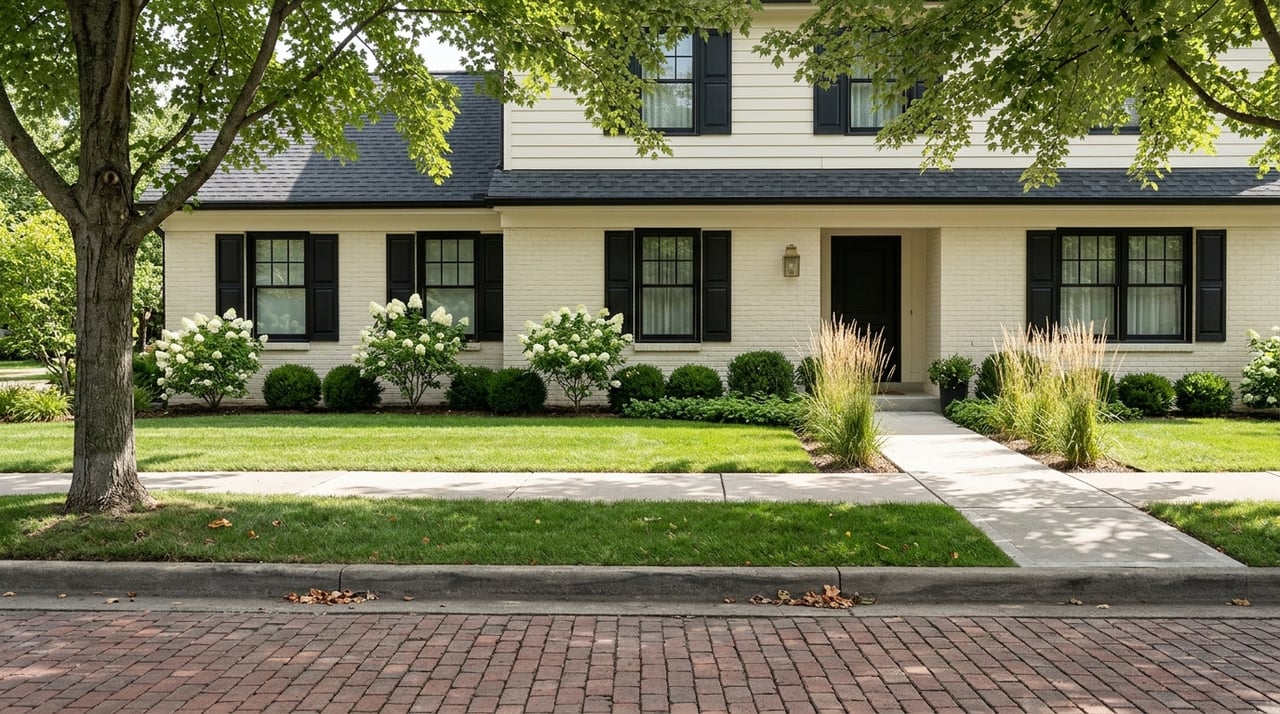
One of the clearest parts of Zionsville’s identity is its historic downtown, often called the Village. The town describes this area as a small-town center built around Brick Street and Main Street, where historic buildings now house boutiques, galleries, and locally owned restaurants. It is also about 20 minutes north of Indianapolis, which helps explain why many people see it as a place with a distinct local feel and practical metro access.
That Village setting shapes more than appearance. It affects how you spend time, how you meet friends, and how easy it feels to linger downtown on a normal weekday or weekend. The town’s Main Street Momentum project is focused on traffic flow, pedestrian safety, and access through the historic core, which shows that walkability and circulation remain important priorities.
Walkable routines feel built in
In many communities, walkability is mostly a selling point. In Zionsville, it is part of the town’s structure, especially around the Village and the trail system. Whether you are grabbing coffee, heading to dinner, or taking an evening stroll, the layout encourages a more connected routine.
The downtown DORA program adds another layer to that experience. During set hours, adults can carry approved beverages within designated downtown boundaries, which supports a casual, social atmosphere in the Village. The town lists participating businesses including Greek’s Pizzeria, Rosie’s Place, Convivio Italian Artisan Cuisine, Noah Grant’s, Rush on Main, Cafe Patachou, The Friendly Tavern, The Scoop, and Bowdie’s Chophouse.
Trails are part of daily life
If you like places where getting outside is easy, Zionsville offers a strong park and trail network. The town says it has more than 800 acres of parkland and more than 20 parks. It has also been named a Tree City USA community for over 20 years and holds a Bronze Bicycle Friendly Community designation.
The Big-4 Rail Trail is the backbone of that outdoor system. It runs for 5 miles and serves as the central spine of more than 20 miles of interconnected paved pathways. Trailheads are located at Zionsville Road, Nancy Burton, Town Hall, American Legion Trail Crossing, Carter Station, and Heritage Trail Park, which makes the network easier to fold into everyday routines.
The Big-4 supports simple routines
A strong trail system changes how a town feels. It gives you options for a morning walk, an after-work bike ride, or a weekend outing without needing to drive far. In Zionsville, the Big-4 is not just recreation. It is part of how residents move through town and connect parks, neighborhoods, and community spaces.
For buyers relocating from denser urban areas or more car-dependent suburbs, that can be a meaningful quality-of-life difference. It gives you access to movement, scenery, and public space in a way that feels consistent rather than occasional.
Parks match different lifestyles
Zionsville’s parks are not all built for the same kind of use, which is helpful when you are trying to imagine your own routine. Some are better for quiet nature walks, while others support sports, dog walking, or active weekends with friends and family. That variety gives the town a more flexible feel.
Starkey Nature Park is an 80-acre site southwest of the Village with wooded bottomland, hiking trails, and settings used for nature study and photography. If you want a quieter outdoor experience, this is one of the places that adds a more natural, tucked-away option to town life.
Heritage Trail Park supports a different kind of day-to-day use. It includes a dog park, playground, basketball and pickleball courts, garden plots, and a bocce court. For many households, that kind of setup makes it easier to mix errands, recreation, and casual meetups into one stop.
Overley-Worman Park expands the activity list even more. It includes mountain biking, disc golf, fishing, and a bridge connection to the Big-4 Trail. Carter Station preserves wetlands and includes a short trail connection to the rail trail, adding another outdoor option that ties into the larger network.
Community events keep the calendar full
A town can have attractive streets and good parks, but everyday life feels different when people actually use those spaces together. In Zionsville, seasonal events are a big part of that picture. They help turn the Village and parks into shared gathering places rather than separate destinations.
Brick Street Market brings artisans, crafts, and food booths to historic brick Main Street. Christmas in the Village runs from the weekend after Thanksgiving through Christmas. Winterfest spans three months and includes an open-air maker’s market on Brick Main Street, Christmas in the Park, Santa visits, and luminary walks.
The Street Dance adds another high-energy tradition. It is a Main Street concert event with food trucks, local beverages, and a kids’ area, and it draws up to 6,000 attendees. Together, these events help explain why Zionsville often feels socially active even though it remains a suburban community.
Why events matter when choosing a town
When you are deciding where to live, events can seem secondary to home size, commute, or budget. But they often tell you whether a place feels active, connected, and easy to plug into. Regular public events give you built-in ways to explore local businesses, revisit favorite spots, and feel part of the town over time.
For relocation buyers especially, that matters. A strong community calendar can make it easier to build familiarity and routine in a new place.
Housing in Zionsville spans old and new
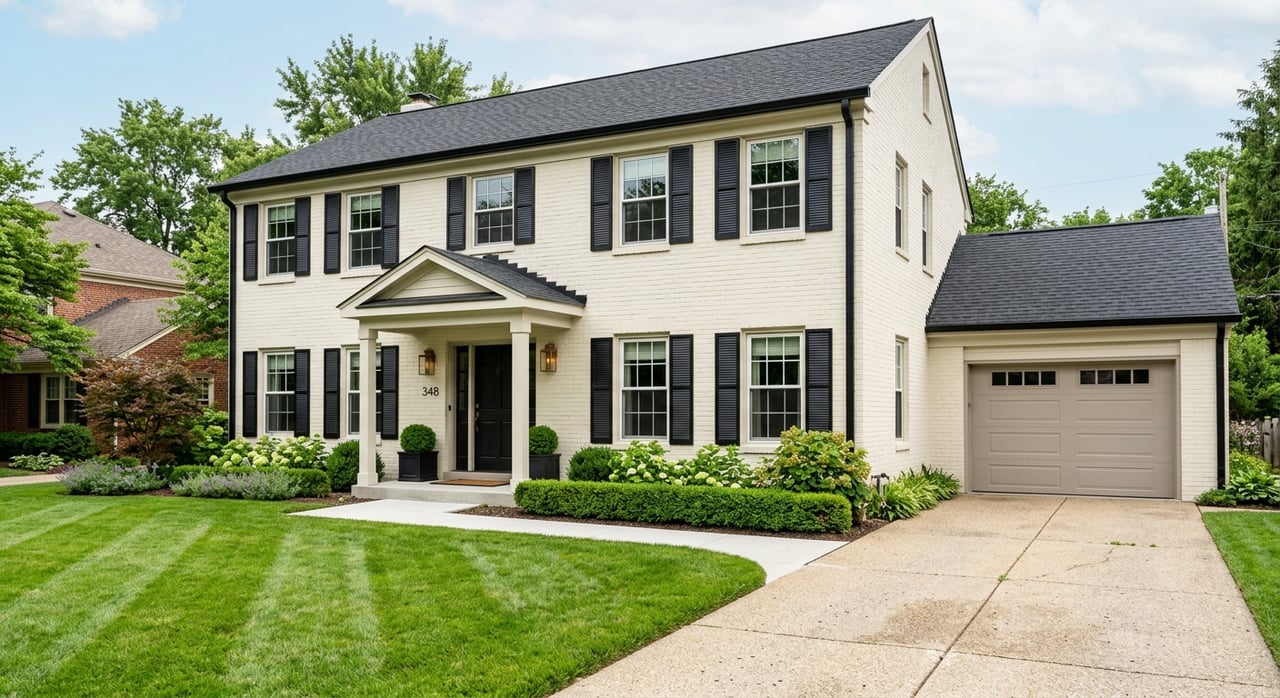
Zionsville is not defined by one housing style or one neighborhood pattern. Town planning documents describe land use that ranges from compact, walkable Village blocks and original housing stock to conventional suburban neighborhoods, equestrian estates, and large-lot subdivisions. That mix gives buyers several ways to experience the town, depending on what matters most to them.
The town’s 2025 planning language also keeps the historic Village scale in view while allowing smaller-lot single-family homes, townhomes, duplexes, and upper-story units in key growth areas near South Main, Zionsville Road, and 106th Street. That means Zionsville’s housing story includes both established homes and more compact formats in targeted areas tied to the Village.
From a market profile standpoint, the community skews strongly toward ownership. Census QuickFacts estimates Zionsville’s July 2025 population at 33,624 and reports an owner-occupied housing rate of 84.2%. The same source shows a median owner-occupied home value of $587,800, median household income of $172,024, and a mean commute time of 22.7 minutes.
What that means for buyers
If you are buying in Zionsville, it helps to understand that the lifestyle can look different depending on where you land. One buyer may prioritize being closer to the Village and trail access, while another may focus on lot size, newer construction patterns, or a more traditional suburban layout. The right fit often comes down to how you want your days to work.
This is especially important if you are comparing Zionsville with other northside communities. Zionsville’s blend of preserved downtown character, interconnected trails, and broad housing types creates a lifestyle mix that feels a little different from places built more fully around newer suburban development.
What that means for sellers
If you are selling in Zionsville, everyday lifestyle is part of the story buyers are trying to understand. Features like trail proximity, access to the Village, park connections, and neighborhood setting can shape how buyers imagine living in a home. That means your marketing strategy should do more than list square footage and finishes.
Buyers often respond to context. They want help seeing how a home connects to the places and routines that make Zionsville appealing. Thoughtful pricing, strong presentation, and clear positioning can help highlight where a home fits within the town’s broader lifestyle.
Zionsville offers a balanced pace
What stands out most about Zionsville is the balance. You have a preserved historic core, a broad trail and park system, a full calendar of community events, and housing that ranges from classic Village blocks to larger suburban settings. Add in the town’s proximity to Indianapolis, and the result is a place that can feel both connected and distinct.
If you are drawn to communities where daily life includes walkable pockets, outdoor access, and a visible town center, Zionsville gives you a lot to explore. And if you want help sorting through which part of Zionsville best fits your goals, that local context can make a big difference in your next move.
Whether you are buying your first home, planning a move-up purchase, relocating to central Indiana, or preparing to sell, working with a local expert can help you connect the market data to the lifestyle you actually want. To talk through your next step in Zionsville, schedule a consultation with Emily Dyer Humphrey.
FAQs
What is everyday life like in Zionsville, Indiana?
- Everyday life in Zionsville often centers on the historic Village, local restaurants and shops, trail access, parks, and seasonal community events that keep public spaces active throughout the year.
What makes downtown Zionsville different from other suburbs?
- Downtown Zionsville is known for its brick street, historic buildings, and locally owned businesses, which give the Village a preserved small-town feel within the north Indianapolis area.
What outdoor amenities does Zionsville offer residents?
- Zionsville offers more than 800 acres of parkland, more than 20 parks, and over 20 miles of interconnected paved pathways anchored by the 5-mile Big-4 Rail Trail.
What kinds of parks are in Zionsville, Indiana?
- Zionsville includes parks for different uses, including Starkey Nature Park for hiking and nature study, Heritage Trail Park for courts and a dog park, and Overley-Worman Park for mountain biking, disc golf, and fishing.
What types of homes can you find in Zionsville?
- Zionsville includes housing types ranging from original homes near the Village and conventional suburban neighborhoods to equestrian estates, large-lot subdivisions, townhomes, duplexes, and smaller-lot single-family homes in key planning areas.
Is Zionsville a good fit for relocation buyers?
- Zionsville can appeal to relocation buyers who want a community with a defined downtown, outdoor amenities, regular local events, and access to Indianapolis within an average commute profile reported by Census QuickFacts.