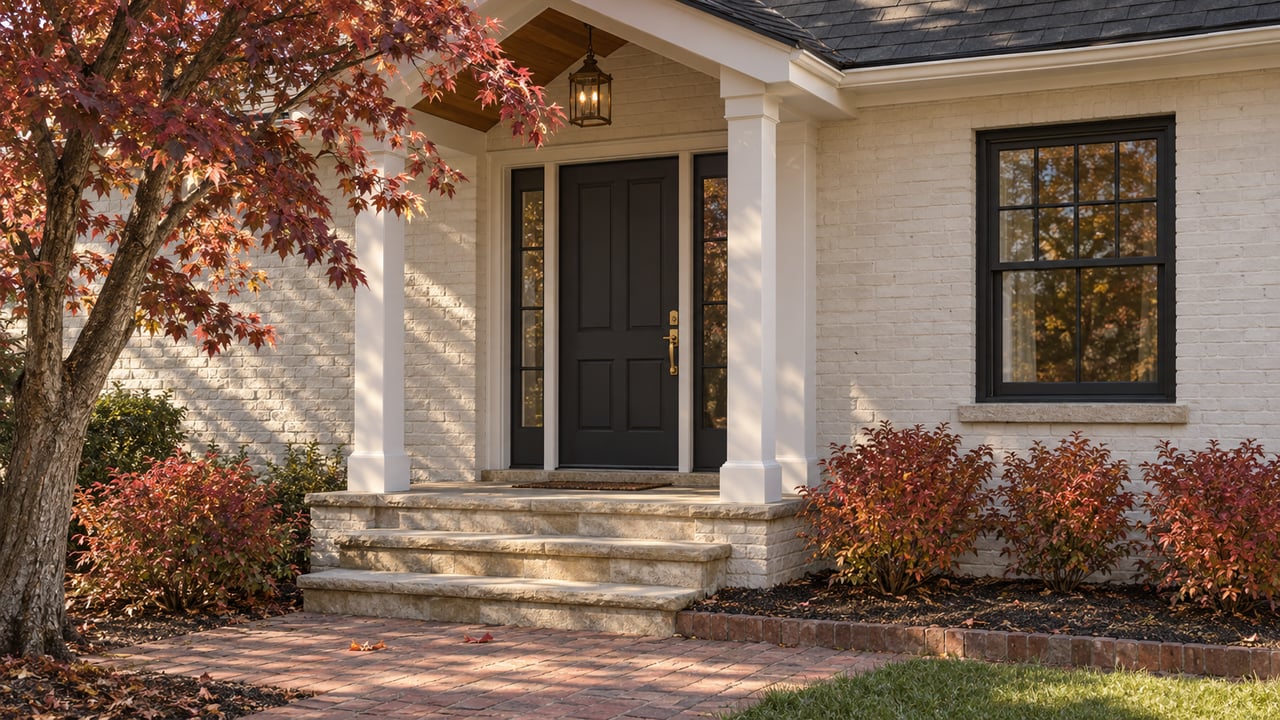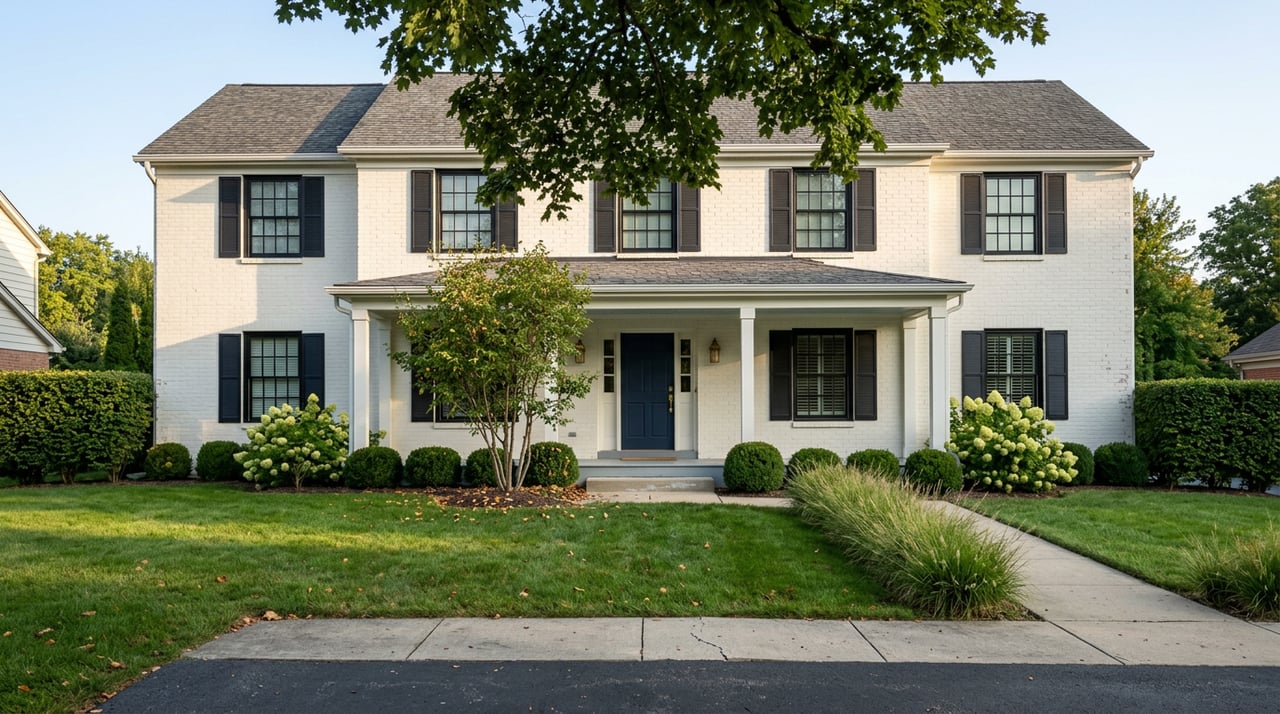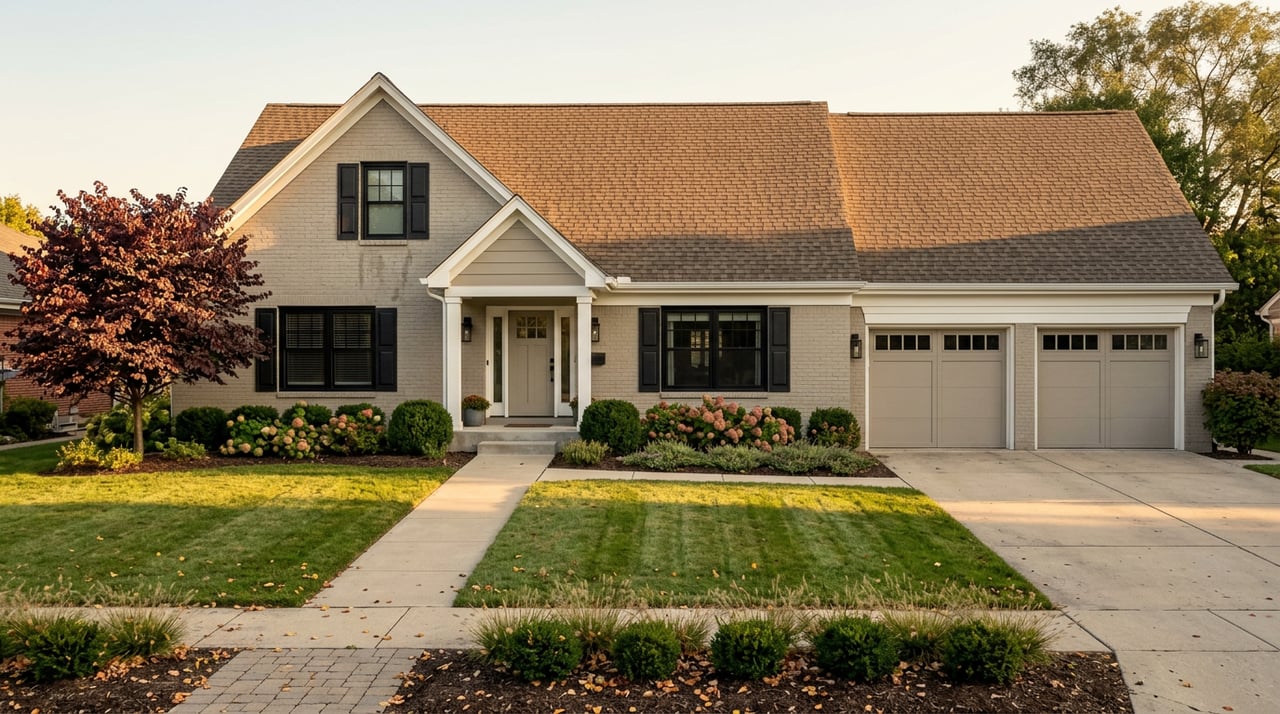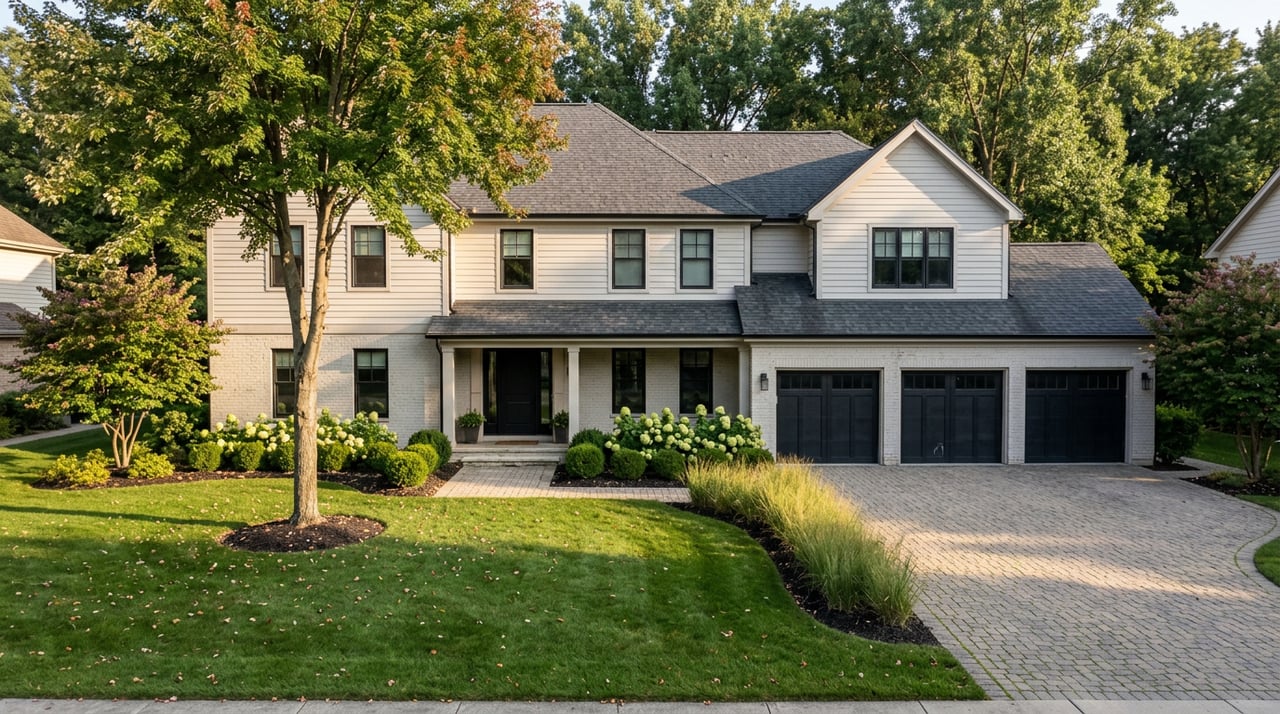
Picture two showings on the same Saturday, both listed within a few thousand dollars of each other, both technically at Zionsville's median. One is a cottage-scaled home two blocks off the brick pavers of Main Street, close enough to walk to dinner. The other sits on a wooded lot along a Pete Dye fairway six miles northwest, with a clubhouse membership included in the deal. Same town. Same price range. Almost nothing else in common.
That gap is the thing buyers miss when they start a Zionsville search with a single number in mind.
The median is an average of two different housing markets
Redfin's tracking puts Zionsville's median sale price at $750,000 over the three months ending in July 2026, up 5.3 percent from the same period a year earlier, with homes selling in an average of 9 days compared to 12 days the year before. Resideline's broader six-month tracker, updated in September 2026, lands a few thousand dollars higher at $755,000 across 271 closings.
The median isn't the useful number in that report. The spread is. Resideline found that the middle half of Zionsville's closings over those six months sold between $575,000 and $1,055,000. That's not a narrow band around a typical home. It's evidence that "typical" doesn't mean much here, because the $750,000 figure is blending two structurally different products: a historic walkable core with almost no vacant land left, and newer acreage communities that are still actively building out.
Redfin's own $212 per square foot median and Resideline's $201 per square foot figure for the same period sit close enough to agree on the townwide picture, but neither tells you whether you're paying for square footage or paying for the address. In Zionsville, that distinction is the whole story.
What $750,000 buys on the brick streets
The Village core traces back to a town founded in 1852, and its identity still runs through the brick-paved Main Street at its center. More than 170 shops, restaurants, and galleries sit on or just off those bricks, close enough together that a Saturday can move from coffee to a gallery to dinner without ever needing the car.
The housing stock reflects that history. Buyers looking here find a meaningful share of Bungalows and American Small Houses alongside other vernacular homes from the district's earlier decades, most on smaller, in-town lots. Zoning built around the Village's historic character keeps new construction and additions in scale with what's already standing, which protects the feel that draws people here in the first place but also means there's very little raw land left to build on.
The Big-4 Rail Trail runs directly through this part of town, forming the central spine of a paved network that now stretches more than 20 miles across Zionsville. A joint project with the Town of Whitestown recently closed the remaining gap, creating a contiguous paved path of roughly 9 miles between the two towns. For a Village buyer, that trail isn't a bonus. It's the connective tissue between the historic core and everything else in Zionsville worth walking or biking to.
At $750,000 in the Village, you're largely paying for scarcity and location. The lot is smaller. The square footage is often more modest than what the same number buys elsewhere in town. What you get instead is a fixed, non-replaceable supply of walkable, character-driven homes in a district that isn't adding inventory.
What $750,000 buys six miles out
Head northwest along Michigan Road and US-421 and the same budget buys an entirely different lifestyle. Holliday Farms, developed by Henke Development Group, wraps around two golf courses designed by Pete Dye, an 18-hole championship layout and a 9-hole executive course, with a clubhouse offering fitness, swimming, dining, and tennis. The community is golf-cart friendly by design, and home options range from custom single-family estates down to townhomes and smaller empty-nest ranches.
This is not a finished neighborhood coasting on its reputation. Zionsville's Plan Commission has approved new multi-tenant commercial buildings on Holliday Farms' Marketplace Drive in 2026, and a proposed convenience store and gas station within the community's Section 7 has moved through several rounds of public hearings this year. The commercial core the developer originally planned as a walkable "village" complement to Main Street is still actively taking shape.
The high end of that market got a public showcase this year. Indianapolis Monthly's 2026 Dream Home, a custom build called The Reverie at 4430 Elmscott Ridge, opened for tours in August. Built by Scott Bates Custom Homes on a lot overlooking the seventh fairway, the more than 11,000-square-foot home was designed to appeal to buyers who want a finished luxury property without managing a custom build themselves.
For buyers who want acreage without golf, Zionsville also offers Promontory, a lake community with homesites ranging from two to four acres or more around a 35-acre lake, with amenities built around water access rather than fairways. Builders across Zionsville's new-construction communities include a mix of national and regional names, among them Pulte, Estridge, Wedgewood, and Drees Homes, alongside the custom builders concentrated inside communities like Holliday Farms.
The cost the median doesn't show
The purchase price is where the similarity between these two Zionsville products ends. What happens after closing looks nothing alike.
In the Village, there's no HOA to budget for, but the home is often 100 years old or more. A historic-savvy inspector matters here, because the systems, foundation, and finishes reflect the era the house was built in, not the era it's being sold in.
In new-construction communities, the sale price frequently doesn't include the extras that make a house livable. Blinds, patio hardscape, and finished sod are commonly left out of the base price, and buyers should plan on an additional $10,000 to $20,000 after closing to finish the property. Custom builds typically run 6 to 10 months from contract to move-in depending on the builder's backlog, and many of these communities layer club or HOA dues on top of the mortgage payment. Even a brand-new home benefits from an independent inspection before closing, since framing, insulation, and punch-list items don't inspect themselves just because the house is new.
Either way, verify school assignment by the exact property address before writing an offer. Municipal boundaries in Boone County don't always line up with school district lines, and an address that feels solidly "Zionsville" can sometimes fall outside Zionsville Community Schools.
For a move-up family choosing between more square footage on acreage and a shorter walk to dinner, or a relocating professional trying to translate a single median price into a real decision, this is the part of the comparison that actually determines whether $750,000 feels like the right number or the wrong one.
Why the comparison matters more than the median
Neither product is the better Zionsville. They're different answers to different questions. A buyer who values a fixed, walkable, historic setting is going to get more value per dollar from the Village than the square footage math alone suggests, because a chunk of that price is buying permanence in a district that isn't building more of itself. A buyer who wants a larger home, more land, and resort-style amenities is going to find that value at Holliday Farms or Promontory, provided the carrying costs and build timeline fit the plan.
The mistake is treating the townwide median as if it describes either one. It describes neither. It describes the town as a whole, which is exactly why the $575,000 to $1,055,000 spread in the six-month data matters more than the single number sitting between them.
A few questions that come up often
Is the Village more expensive per square foot than new construction at Holliday Farms? Townwide, the median runs close to $201 to $212 per square foot depending on the measurement period. Inside the Village specifically, smaller lots and a fixed supply tend to push per-square-foot pricing higher, since a comparable total price is buying less square footage and more location.
Do homes move faster in the Village or in the newer communities? The townwide average sits around 9 days on market as of Redfin's data through July 2026, but that blended figure hides two different dynamics. Village listings compete for a fixed, shrinking pool of historic homes. New-construction communities like Holliday Farms are still in active build-out, with ongoing Plan Commission activity in 2026 for new commercial buildings, which means timing often depends more on builder release schedules than on head-to-head bidding.
Does buying in Holliday Farms guarantee I'm zoned for Zionsville Community Schools? Not automatically. Because municipal borders and school district boundaries don't always match in Boone County, confirm school assignment by the exact property address before making an offer, regardless of which side of town you're considering.
If you're comparing these two versions of Zionsville and want help figuring out which one actually fits your life, not just your budget, Emily Dyer Humphrey can walk you through both. Schedule A Consultation to start the conversation.