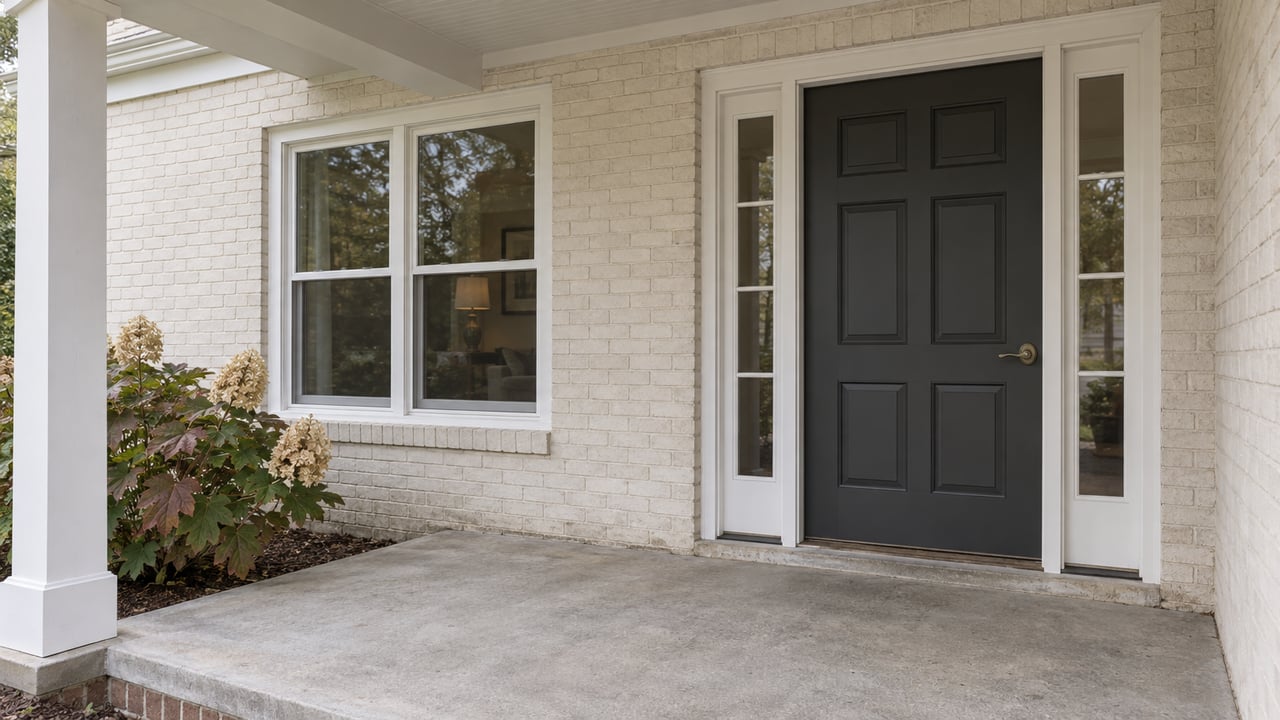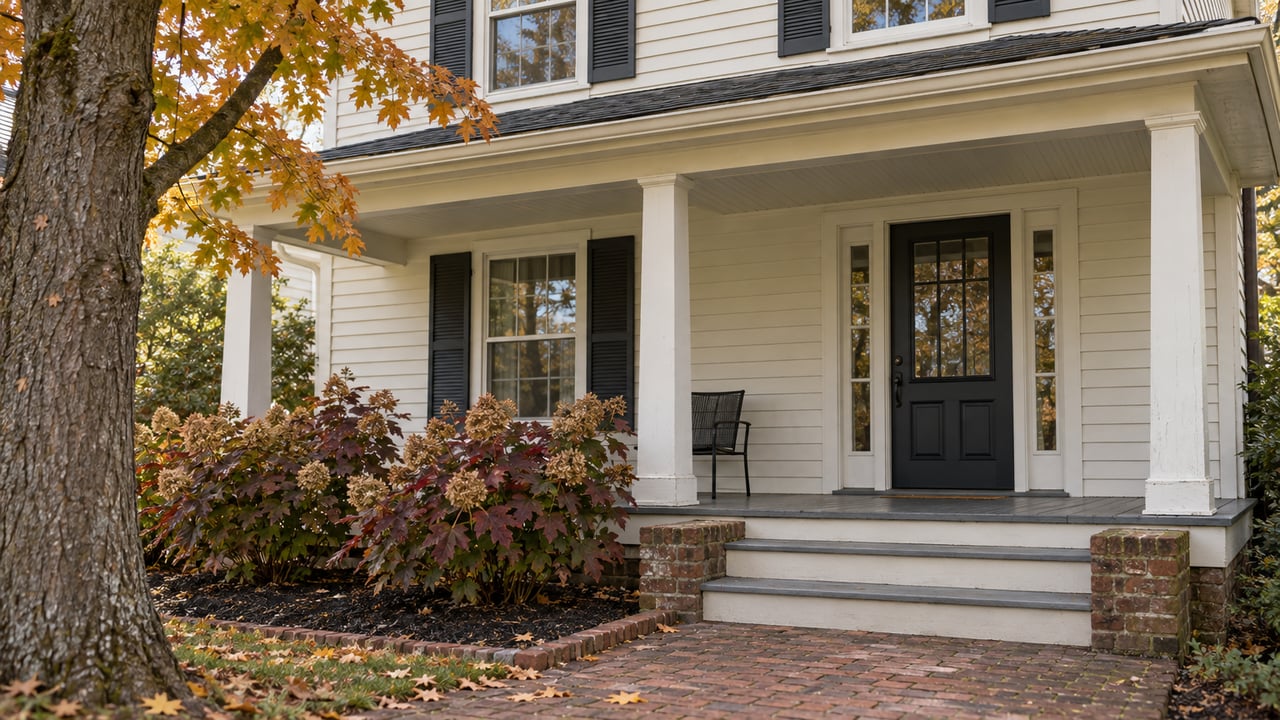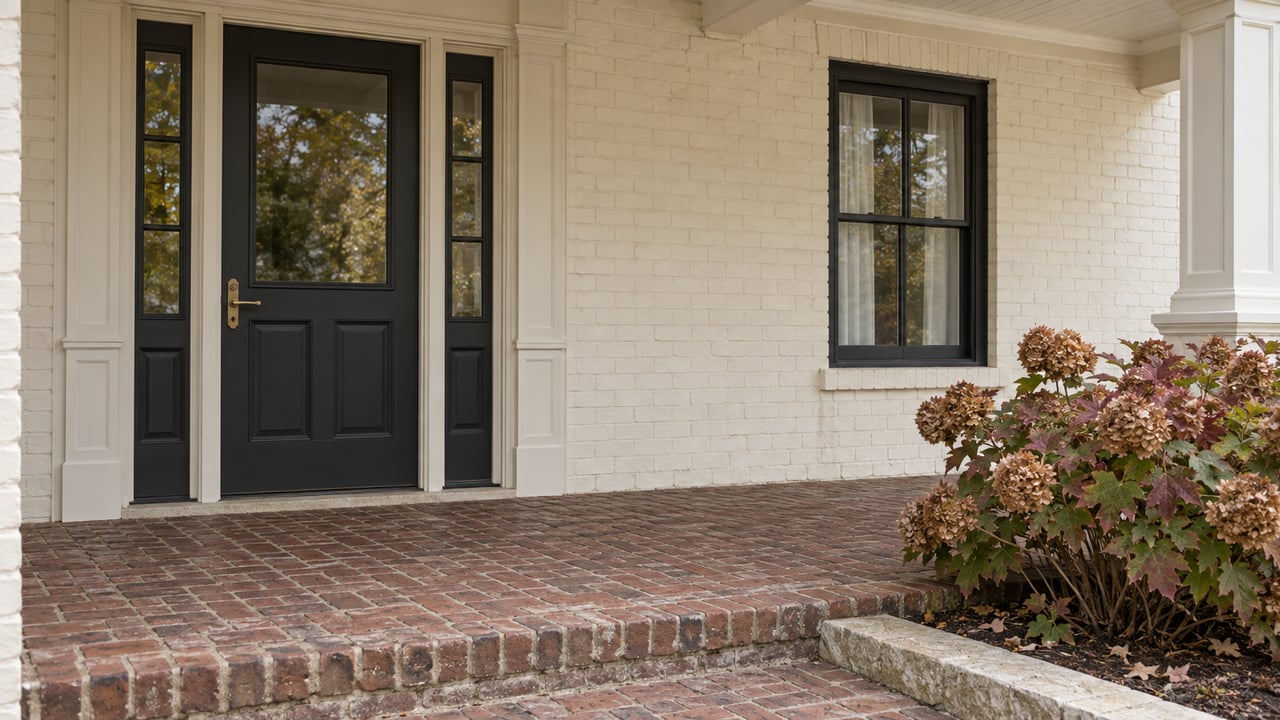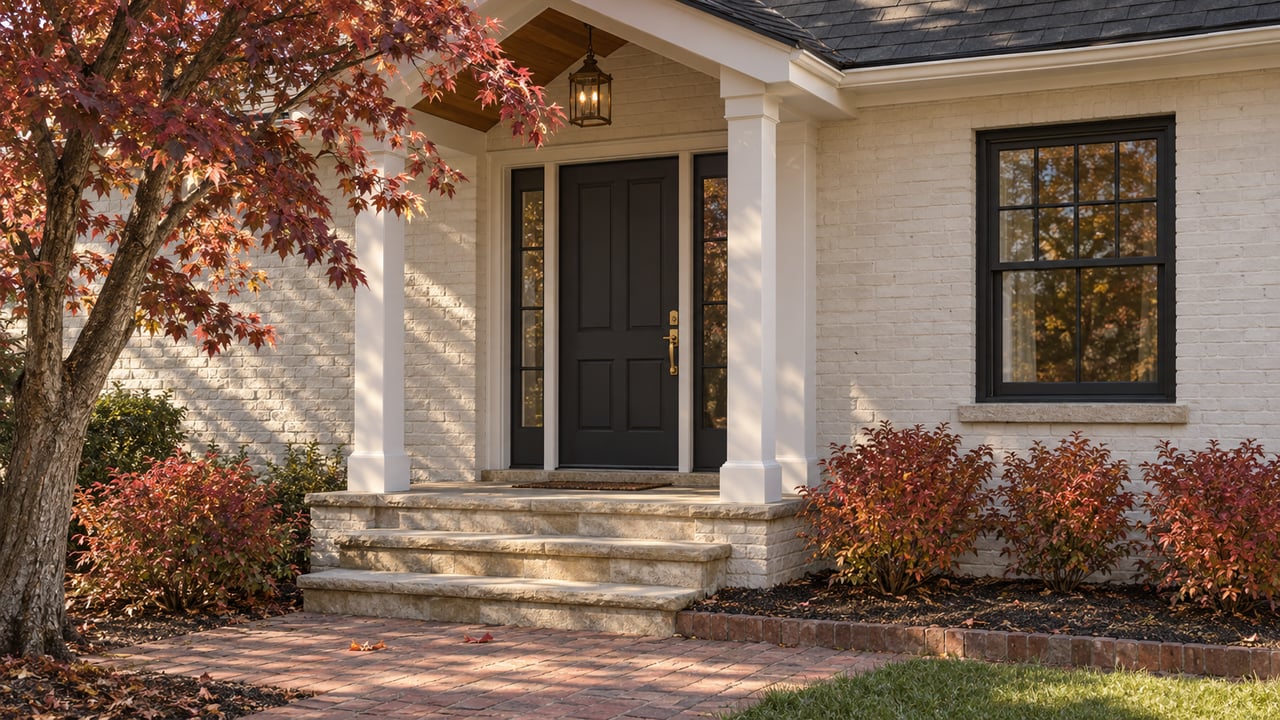
Thinking about buying a brand-new home in McCordsville? You are not alone. With rapid growth, multiple active communities, and a location that keeps you close to Geist, Fishers, Lawrence, and major highways, McCordsville has become a practical place to explore new construction instead of limiting your search to resale homes. If you want to understand what is being built, how the process works, and what to watch for before you sign, this guide will help you move forward with more confidence. Let’s dive in.
Why McCordsville Draws New-Construction Buyers
McCordsville has become a strong new-construction market in part because of where it sits. The town is in the northwest corner of Hancock County, just south of Geist Reservoir and near Lawrence and Fishers, with access to State Highway 67 and less than 10 minutes from I-70, I-69, I-465, and SR 234.
That convenience matters if you want suburban growth with regional access. It also helps explain why builders continue to add communities and phases here instead of treating McCordsville as a smaller resale-only market.
The town’s 2025 comprehensive plan also points to steady growth. It cites a Census 2019-2023 ACS population of 9,700, a 2023 Stats Indiana estimate of 11,273 residents, and growth since 2020 of about 10 percent per year.
For buyers, that growth can affect everything from available homesites to future amenities. It can also mean that pricing, community build-out, and traffic in model homes change faster than you might expect.
What Buyers Like About the Area
New-construction buyers often want more than a floor plan. You also want to know whether the town has the infrastructure and services that support daily life once you move in.
McCordsville’s comprehensive plan says the town is a 100 percent fiber-to-the-premise community. Electric service is provided by NineStar Connect and AES Indiana, gas is provided by CenterPoint Energy, and residential sanitation is handled under town contract.
Those details may sound small at first, but they are often part of the bigger value picture. If you are relocating or moving up into a newer home, this kind of infrastructure can be an important part of your decision.
Another local growth factor is McCord Square. The town describes it as a 48-acre planned mixed-use phase that could build out to roughly 130 acres and 1,000 to 1,800 residential units along with commercial space and civic uses.
That helps explain why certain parts of McCordsville may keep evolving after you close. A community you tour today may look different in a year or two as surrounding phases, services, and amenities continue to take shape.
New Construction Options in McCordsville
One of the biggest advantages in McCordsville is variety. You are not looking at just one builder or one style of home.
Current builder activity includes single-family homes, ranch plans, townhomes, quick move-in inventory, and to-be-built opportunities. That gives buyers more flexibility on budget, timeline, and level of customization.
Communities You May See
Here are some representative options buyers are likely to come across in McCordsville:
- Beazer at Colonnade with Signature and Estates collections, starting around $369,990 and $469,990, with 2 to 5 bedrooms, 2.5 to 4 bathrooms, and about 2,214 to 3,778 square feet
- M/I Homes at Helm’s Mill from about $351,990, with one- and two-story homes and quick move-in options
- M/I Homes at Rockport with plans such as the Drake starting around $481,990 and ranging roughly from 2,889 to 3,128 square feet
- Lennar at Summerton in its final phase, with pricing around $364,995 to $516,995 and some low-maintenance ranch options plus onsite amenities
- Fischer Homes at Hampton Walk from about $268,000 to $804,000+, with amenities that include a swimming pool, cabana, playground, lakes, gazebo, and walking paths
- Fischer’s Townes at Hampton Walk around $327,000 to $349,000+, offering townhome options and described as within walking distance of McCord Square
Because these communities are actively selling, things can shift quickly. Inventory, lot premiums, design packages, and incentives may change between one visit and the next.
Quick Move-In vs. To-Be-Built Homes
One of the first practical choices you will make is whether to buy a quick move-in home or build from the ground up. Both options can work well, but they fit different priorities.
A quick move-in home usually has many structural and finish decisions already selected or installed. That can help if you need a shorter timeline or want a clearer picture of the final price sooner.
A to-be-built home usually gives you more say in floor plan, homesite, and design selections. The tradeoff is a longer timeline and less certainty early on about final completion dates.
When a Quick Move-In Home Makes Sense
A quick move-in home may be a better fit if you:
- Need to move on a shorter schedule
- Prefer fewer design decisions
- Want to see more of the final product upfront
- Are relocating and need a more predictable timeline
When a To-Be-Built Home Makes Sense
A to-be-built home may be a better fit if you:
- Want more personalization
- Have flexibility on timing
- Care a lot about lot position or layout
- Want to choose finishes after contract
How the New-Construction Process Usually Works
While each builder has its own system, the process often follows the same general path. You usually start with the community, then narrow down the floor plan, homesite, and finish path.
M/I Homes describes the process as meeting with a new-home consultant, arranging financing, selecting design options in the Design Studio, tracking construction progress, and completing a new-home orientation before move-in. A useful detail for buyers is that confirmed design options are finalized after a contract is in place.
That means your early wish list is not always your final selection list. If a feature matters to you, make sure you understand when it becomes official and how it will appear in writing.
What Can Affect Your Timeline
Buyers sometimes assume the timeline depends only on the builder’s construction schedule. In McCordsville, there are also local approval steps that can affect the path to closing.
The town’s zoning ordinance says no structure or site improvement may be erected without an Improvement Location Permit. Town rules also say permit applications may be reviewed by the Plan Commission and Administrative Officer.
The town fee schedule ties permit fees to inspections and certificates of occupancy. In practical terms, that means your closing and move-in timing can depend not just on construction progress, but also on municipal review and final sign-off.
Why Buyer Representation Matters Early
If you plan to visit model homes, it is smart to clarify representation at the very beginning. Indiana law now requires written listing and buyer agency agreements.
Effective July 1, 2024, the Indiana Professional Licensing Agency says those agreements must be in writing, include a definitive expiration date, and be delivered to the client within three business days of signing. For buyers, that means representation should be discussed clearly and early rather than assumed.
This is especially important in new construction because builder sales teams represent the builder’s interests. Having your own buyer representation can help you stay organized, understand the contract, and compare options across communities.
What to Review in a Builder Contract
Builder contracts are not all the same, and they can look different from a resale purchase agreement. Still, Indiana real estate licensing guidance highlights many of the topics that commonly appear in purchase agreements.
As you review a new-construction contract, expect attention around:
- Earnest money
- Appraisals
- Time deadlines
- Possession terms
- Surveys
- Flood and homeowners insurance
- Inspections
- Home warranties
- Title approval
- Real estate taxes
- Homeowners association or condo association terms
- Additional provisions and builder addenda
- Expiration dates and seller responses
This is one area where careful review matters. New construction often includes separate paperwork for upgrades, lot premiums, community rules, and change-order limitations.
Don’t Skip the Inspection Step
A brand-new house is still a house built by people, on a timeline, with many moving parts. That is why inspections still matter.
Consumer guidance from the CFPB says buyers should not skip the home inspection. The agency also notes that attending the inspection can help you better understand the property, and a satisfactory-inspection contingency may allow you to cancel without penalty if you are not satisfied.
Major issues can also affect financing if repairs are required before closing. Even with new construction, having an inspection strategy before you reach the finish line is a smart move.
Builder Warranty vs. Home Warranty
These two terms sound similar, but they are not the same. Many buyers understandably mix them up.
The FTC explains that a builder warranty usually comes with new home construction and covers permanent parts of the home. A home warranty, by contrast, is a separate service contract that usually costs extra.
That distinction matters when you compare builders and review closing documents. You will want to understand what is included automatically, what has coverage limits, and whether any optional service contract is being offered separately.
What Closing Looks Like in Indiana
As you get closer to the finish line, there are a few Indiana-specific steps to keep in mind. The seller’s residential real estate sales disclosure form generally must be completed and given to the buyer before an offer is accepted, and Indiana sales disclosure paperwork is also part of the conveyance process and reviewed for completeness in the county assessment system.
In new construction, the exact paperwork can vary by transaction structure. Still, it helps to know that disclosure and closing paperwork are standard parts of the process, not last-minute surprises.
Your lender must also send the Closing Disclosure at least three business days before closing. This is your chance to compare your final loan terms and cash-to-close figures against the contract, upgrade addenda, and any other builder-related costs before you sign.
Practical Tips for Buying New Construction in McCordsville
If you want a smoother experience, focus on the details that affect both your budget and your timeline. A brand-new home can feel more straightforward than resale, but there are still many moving pieces.
Here are a few practical ways to stay ahead:
- Tour more than one community before committing
- Ask what is included in base price versus upgrades
- Confirm whether the home is quick move-in or to-be-built
- Review lot premiums, HOA details, and amenity timelines
- Clarify when selections become final in writing
- Build inspection timing into your plan
- Review your representation agreement early
- Leave room in your moving schedule for permit, inspection, and occupancy timing
Why Local Guidance Helps
In a fast-growing market like McCordsville, new-construction choices can change quickly. A community may release new lots, adjust pricing, or move into a final phase while you are still comparing options.
That is where local guidance can make a real difference. When you have someone helping you compare builders, timelines, contract terms, and resale context across central Indiana, it becomes easier to make a choice that fits your goals instead of just reacting to model-home momentum.
If you are exploring new construction in McCordsville and want a clear, grounded plan, Emily Dyer Humphrey can help you evaluate communities, understand the process, and move forward with confidence.
FAQs
What makes McCordsville a strong market for new construction homes?
- McCordsville offers quick access to Geist, Fishers, Lawrence, and major highways, and the town’s recent growth, expanding infrastructure, and planned mixed-use development have helped support active new-construction communities.
What types of new construction homes are available in McCordsville?
- Buyers in McCordsville can find single-family homes, ranch-style options, townhomes, quick move-in inventory, and to-be-built homes across several active builder communities.
What is the difference between a quick move-in home and a to-be-built home in McCordsville?
- A quick move-in home usually has many selections already chosen and can shorten your timeline, while a to-be-built home often gives you more customization but usually takes longer to complete.
Do you need buyer representation when visiting new construction communities in Indiana?
- It is wise to clarify representation early because Indiana now requires written buyer agency agreements, and builder sales staff represent the builder rather than the buyer.
Should you get a home inspection on a brand-new construction home in McCordsville?
- Yes, inspections are still important on new construction because they can help identify issues before closing and may affect your ability to request repairs or respond under your contract terms.
What should buyers review before closing on a new construction home in Indiana?
- Before closing, you should review the contract, any upgrade or design addenda, inspection results, warranty information, and the lender’s Closing Disclosure so your final numbers match your expectations.