If you are getting ready to sell in Westfield, it is easy to wonder where to start. Between everyday life, a growing to-do list, and the pressure to make a strong first impression, prep work can feel bigger than it needs to be. The good news is that most sellers do not need a full remodel. You need a smart plan that helps your home feel clean, cared for, and easy for buyers to picture themselves in. Let’s dive in.
Why prep matters in Westfield
Westfield has grown quickly in recent years, and that growth has brought in many buyers looking for homes that feel functional and move-in ready. With a high owner-occupied housing rate, a strong median household income, and a large share of residents under 18, many buyers are likely looking for homes that support busy day-to-day life.
That matters when you are preparing to sell. Buyers often respond well to spaces that feel easy to maintain, easy to use, and easy to understand from the moment they walk in. In a market where central Indiana listings recently received 97.5% of asking price with a median of 30 days on market, presentation and repair choices still matter.
Start with the right priority order
Before you go room by room, focus on the tasks that tend to have the biggest impact first. This helps you avoid spending time on cosmetic details while larger issues still need attention.
A smart pre-listing order usually looks like this:
- Fix water, moisture, and safety issues first.
- Improve the exterior and entry.
- Clean and stage the living room, kitchen, baths, and primary bedroom.
- Tidy bedrooms, closets, and flex spaces.
- Finish with photography-ready details.
Exterior checklist for Westfield sellers
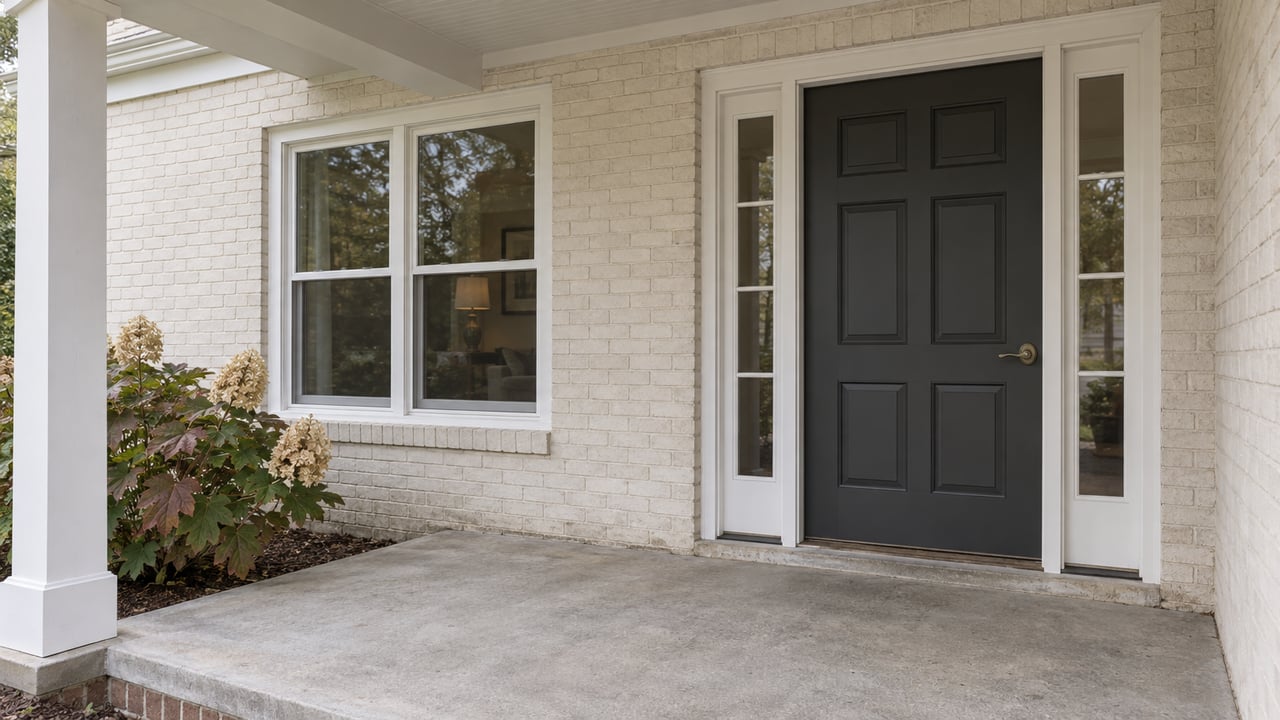
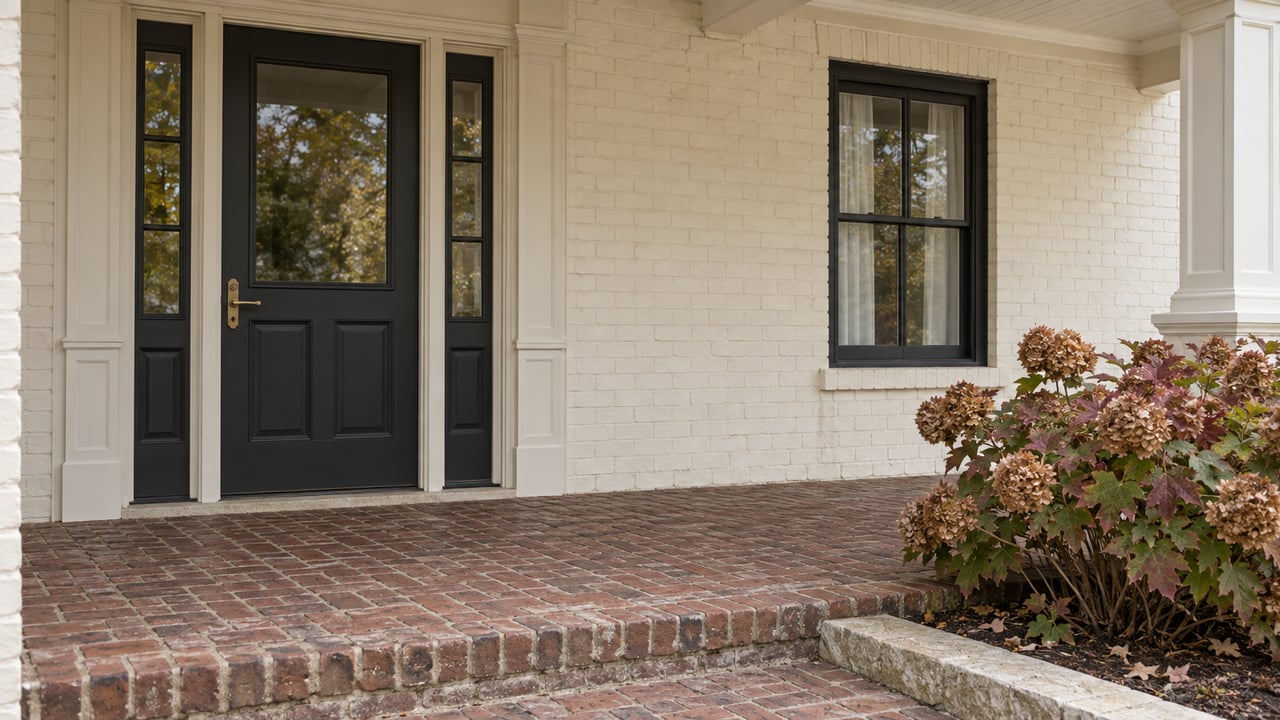
The outside of your home sets the tone before a buyer ever steps through the door. It also overlaps with many of the items buyers and inspectors notice early, including drainage, trim, windows, doors, and roof drainage systems.
Clean the approach
Start with what buyers see from the street and sidewalk. Power wash the front walk, porch, siding, and driveway so the home feels fresh and maintained.
Take a close look at the entry too. Replace broken light fixtures, worn hardware, or faded house numbers that make the front door area feel dated.
Handle drainage and roofline basics
Loose gutters, downspouts, and pooling water can raise concerns quickly. Clean gutters and downspouts, and make sure water is moving away from the foundation.
If you notice buckled shingles, signs of roof wear, or standing water near the home, move those items up the list. These are the kinds of issues that can lead to questions later during inspection.
Tidy visible storage
Small exterior clutter can distract from the home itself. Straighten up the garage door area, trash bins, hose reels, and any visible items stored near the front or side of the house.
The goal is simple: help buyers focus on the home, not on maintenance tasks they think they will inherit.
Living room checklist that helps buyers connect
According to the National Association of Realtors 2025 staging profile, the living room is the most important room to stage. That makes sense because it is one of the easiest places for buyers to imagine daily life.
Open up the space
Remove excess furniture so the room feels larger and traffic flow is clear. If the room is crowded, buyers may notice the furniture more than the room itself.
Keep decor simple and limited. You want the space to feel warm and inviting, but not overly personal.
Refresh walls and finishes
Patch nail holes, drywall dings, and scuff marks. If you need paint touch-ups, stick with a consistent warm-neutral palette.
Current design trends point toward warmer, earthy tones and less visual clutter. In most cases, a calm, cohesive look works better than bold contrast or highly personal color choices.
Clarify bonus spaces
If you have a loft, den, or bonus room, give it one clear purpose. Buyers are responding to flexible layouts, but flexibility still needs definition.
A room that reads clearly as a home office, playroom, or media room is more helpful than a space that feels like overflow storage.
Kitchen checklist for a polished first impression
The kitchen is one of the rooms buyers study most closely. It is also one of the top spaces to stage, and current design reporting shows buyers are drawn to warmth, storage, and practical function.
Deep clean every surface
Focus on cabinets, backsplash, sink, appliances, and the range hood. Buyers notice grease, fingerprints, crumbs, and cabinet buildup faster than sellers often realize.
A spotless kitchen signals that the home has been well cared for. It also photographs better.
Clear counters and simplify storage
Clear off counters so buyers can easily see prep space. Leave only a few intentional items if needed.
Inside cabinets and the pantry, aim for neat and spacious rather than packed full. Buyers are not just looking at finishes. They are also paying attention to how the home stores everyday life.
Fix small problems before they grow
Repair faucet drips, under-sink leaks, and loose cabinet doors or drawers. These details may seem minor, but they can suggest deferred maintenance when buyers see them all at once.
If you are making light cosmetic updates, keep them cohesive. Warm finishes and simple improvements usually land better than trendy choices that may not appeal to everyone.
Bathroom checklist for a clean, calm feel
Bathrooms do not need to feel brand new to make a strong impression. They do need to feel fresh, dry, and well maintained.
Recaulk and refresh
Recaulk tubs, showers, sinks, and countertops where needed. Scrub grout and replace any stained or missing caulk.
These updates are usually inexpensive, but they can make the room look much cleaner in person and in photos.
Address plumbing and moisture signs
Fix slow drains, drips, and toilet issues before photography and showings begin. Make sure the exhaust fan works properly and that the room smells clean and dry.
Inspection guidance also points to plumbing, drainage pumps, ventilation, rust, corrosion, and excess moisture as common concerns. If your bathroom shows any of those signs, it is worth addressing them early.
Remove personal items
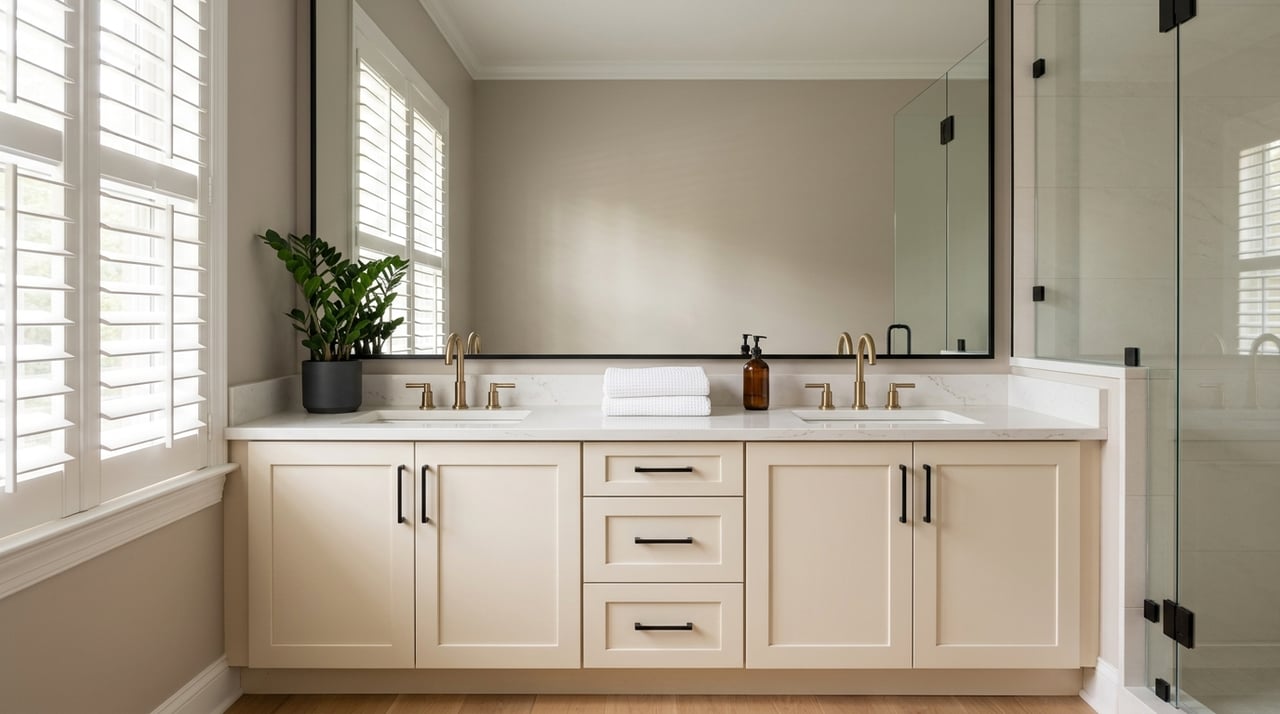
Store toiletries out of sight so the vanity and shower feel more spacious. A bathroom with fewer visual distractions tends to feel larger and calmer.
Simple towels and a clean mirror often do more than elaborate styling.
Bedroom checklist for comfort and function
The primary bedroom is one of the most commonly staged spaces because buyers want to understand how the home supports rest and daily routine. Bedrooms should feel simple, bright, and easy to move into.
Keep the look light and simple
Use simple bedding, minimal accent decor, and good lighting. Clear floors, dressers, and nightstands of excess items.
You are not trying to erase personality completely. You are helping buyers focus on the space, light, and layout.
Make storage look usable
Organize closets so they look generous and easy to use. Overstuffed closets can make buyers think the home lacks storage, even when the closet itself is a good size.
Clean windows, blinds, and screens, and make sure they work smoothly. Natural light helps every bedroom feel more inviting.
Flex space checklist for modern buyers
In Westfield, a flexible home can be a major advantage. Zillow’s 2025 search data showed strong buyer interest in multi-use spaces, comfort, and layouts that adapt to changing needs.
Give every room a job
If a bedroom also serves as an office or nursery, keep the setup tidy and easy to read. Help buyers understand what the room can do without making it feel crowded.
A clear function is more effective than trying to show too many possibilities at once.
Reduce visual noise
Limit bins, cords, extra chairs, and stacked storage. Flex rooms can quickly become catch-all spaces, and that makes them harder for buyers to interpret.
When the purpose is obvious, buyers are more likely to remember the room as useful rather than confusing.
Pre-listing repairs worth tackling first
Not every item on your checklist carries the same weight. If you want to make smart decisions before listing, focus first on the issues most likely to affect buyer confidence or trigger repair negotiations.
Prioritize these common concerns
A typical inspection is a visual review of accessible areas, including structure, exterior, roofing, plumbing, electrical, HVAC, interiors, and ventilation or insulation. For sellers, the most useful pre-listing punch list often includes:
- Roof damage or active leaks
- Gutter and drainage problems
- Plumbing leaks or corrosion
- Electrical panel or outlet concerns
- HVAC performance issues
- Attic, basement, or crawl-space moisture issues
- Ventilation problems
These are the items that can make a sale feel more complicated than it needs to be. Handling them early often gives you more control over timing, vendors, and budget.
Focus on move-in-ready, not perfect
Westfield buyers are often balancing work, school schedules, activities, and daily logistics. In a city shaped by strong residential growth and major amenities like Grand Park, many buyers are looking for homes that feel ready to support real life from day one.
That does not mean your home has to look brand new. It means it should feel cared for, functional, and easy to maintain. Clean presentation, clear room purpose, and smart repairs often matter more than expensive upgrades.
If you are preparing to sell in Westfield, a room-by-room plan can make the process feel much more manageable. And when you pair that checklist with thoughtful pricing, strong marketing, and the right launch strategy, you give your home the best chance to stand out. If you want expert guidance on what to fix, what to skip, and how to prep for a strong market debut, connect with Emily Dyer Humphrey.
FAQs
What should Westfield sellers fix before listing a home?
- Start with water, moisture, and safety issues such as roof leaks, drainage problems, plumbing leaks, electrical concerns, HVAC issues, and moisture in attics, basements, or crawl spaces.
Which rooms matter most when staging a Westfield home for sale?
- The living room, primary bedroom, and kitchen tend to matter most because buyers often focus on those spaces first when deciding whether a home feels move-in ready.
How should you prepare a Westfield kitchen before listing?
- Deep clean all surfaces, clear countertops, fix drips or loose hardware, and organize pantry and cabinet storage so the kitchen feels warm, functional, and easy to maintain.
How should you handle flex spaces when selling a Westfield house?
- Give each flex space one clear purpose, such as an office, playroom, or guest room, so buyers can quickly understand how the space could work for their needs.
Do you need to remodel before selling a home in Westfield?
- Usually no. Most sellers benefit more from cleaning, decluttering, light cosmetic updates, and addressing key repair items than from taking on a major remodel.